
 Celuk · Sukawati · Ubud · Bali
Bali Souvenir Ideas for Global Export
Discover unique Bali souvenirs from Celuk, Sukawati, and Ubud — handcrafted by local artisans for international markets. Explore our range of traditional crafts with clear MOQ and FOB terms.
What are you sourcing?
Tell us what you need and we'll guide you to the right products and next steps.
For businesses seeking unique and culturally rich products, Bali offers a treasure trove of souvenir ideas. Our expertise in sourcing and exporting these items allows you to access authentic Balinese crafts with confidence. From textiles to stone carvings, we navigate the complexities of international trade to deliver quality products efficiently and legally.
Understanding Bali’s Souvenir Export Market
Bali is renowned for its diverse and vibrant souvenir market, offering a wide array of products that capture the island’s rich cultural heritage. Exporting these souvenirs requires an understanding of both Indonesian regulations and the specific requirements of destination countries. Standard tourist crafts such as wood carvings, textiles, and paintings are readily exportable without special permits when shipped in normal quantities. However, cultural artifacts and antiques over 50 years old necessitate a permit from Indonesia’s Directorate of Cultural Heritage. It’s crucial for buyers to differentiate between standard crafts and items that may fall under stricter export controls. Additionally, products made from protected wildlife species, such as ivory or certain corals, are subject to stringent restrictions and often require CITES permits, which are rarely granted for commercial purposes. Understanding these nuances ensures compliance and smooth transactions.
Essential Export Regulations and Permits
Navigating the export regulations in Bali involves understanding which items require permits and which do not. Most standard handicrafts can be exported without special permits when handled as small commercial cargo. However, items such as raw wood, stone products, and cultural artifacts have specific licensing requirements. For example, stone products require a stone-export license for larger quantities. Similarly, raw wood and certain protected Indonesian timbers demand special export licenses, although finished handicrafts made from approved wood species are typically exempt. To streamline the process, many exporters collaborate with licensed cargo agents who manage the necessary permits and documentation. This expertise ensures that all shipments meet Indonesian customs requirements, distinguishing between personal gifts and commercial quantities.
Logistics and Shipping Options
Efficient logistics and shipping are vital for successful export operations. Bali-based cargo and logistics companies offer comprehensive door-to-port or door-to-door services, consolidating purchases from various artisans into one shipment. This approach optimizes costs and simplifies the export process. For larger items like furniture and décor, sea freight is the preferred method due to size and weight considerations. Smaller, higher-value items may be shipped via air freight, though this option is significantly more expensive per kilogram. Professional exporters often request copies of invoices and supplier contact details to prepare accurate export documentation and customs declarations. Additionally, employing a customs broker in the destination country is advisable to handle clearance, local taxes, and any required fumigation or treatment certificates for wood and plant-based products.
Compliance with International Trade Standards
Ensuring compliance with international trade standards is essential for successful export operations. Destination countries such as the United States, EU members, and Australia have specific requirements for wood products, often necessitating treatment and accompanying phytosanitary or treatment certificates. Indonesia itself mandates plant quarantine compliance for certain exported wood and plant materials, requiring quarantine inspection and certification before export. Buyers should be aware that sand, soil, and similar materials are heavily restricted for export, with attempts to ship such items potentially resulting in confiscation. By adhering to these standards, exporters maintain the integrity of their shipments and avoid legal complications.
Legal and Ethical Considerations
Exporting souvenirs from Bali involves legal and ethical considerations. Items made from flora and fauna on the CITES list, including many corals, shells, bird feathers, and reptile skins, are forbidden for export without special permits and are often confiscated if found. Additionally, counterfeit branded goods can lead to legal issues both in Indonesia and the buyer’s home country. Buyers should also exercise caution with fake “antique” pieces or replicas of weapons, as these may require additional permits. Ensuring that all items are legally and ethically sourced not only protects businesses from legal repercussions but also supports sustainable and responsible trade practices.
Partnering with Licensed Exporters
Partnering with licensed exporters is crucial for navigating the complexities of Bali’s souvenir export market. These professionals possess the necessary expertise to handle mixed cargo shipments, which may require multiple types of export licenses. They also offer valuable services such as consolidating purchases from multiple small artisans, preparing accurate export documentation, and ensuring compliance with both Indonesian and international regulations. By working with experienced exporters, buyers can streamline their operations, reduce the risk of non-compliance, and focus on growing their business. For more information on how our team can assist you, visit our About and Guides pages.
Making Informed Buying Decisions
Informed buying decisions are the cornerstone of successful sourcing in Bali. Buyers should familiarize themselves with the types of products available, the associated export regulations, and the logistics involved in shipping. Understanding the legal restrictions on certain items, such as cultural artifacts and wildlife products, is essential. Additionally, considering the costs associated with different shipping methods, such as sea freight versus air freight, can impact the overall budget. By thoroughly researching and planning their purchases, buyers can maximize their investment and ensure a smooth export process. For specific enquiries or to discuss your sourcing needs, please contact us.
Exploring Popular Souvenir Categories
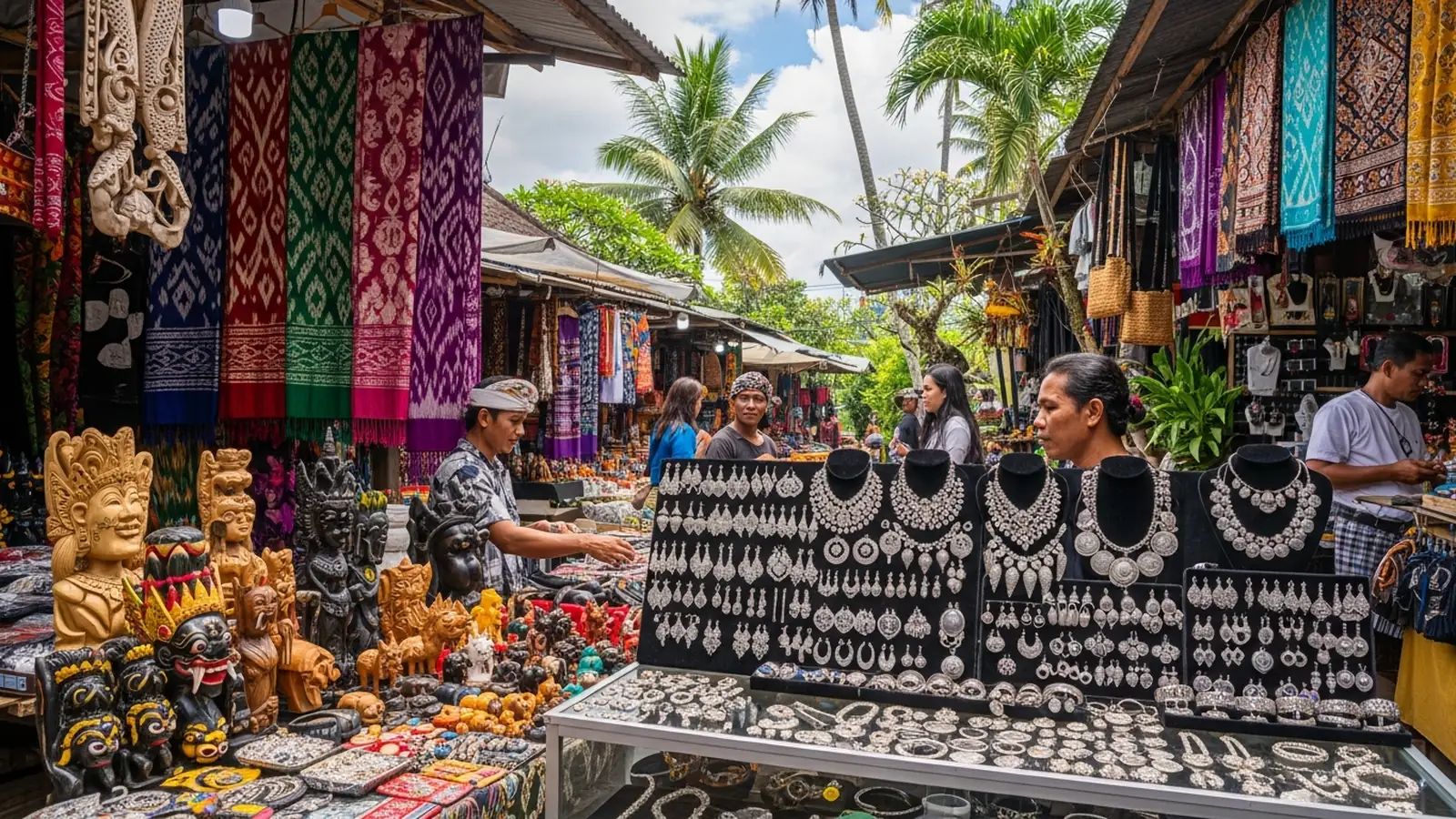
Bali’s souvenir market is rich with diverse categories, each offering unique cultural insights. Popular categories include textiles, such as batik and ikat fabrics, which are known for their intricate patterns and vibrant colors. These textiles are often used in fashion and home décor, appealing to a wide range of international buyers. Wood carvings are another staple, with artisans crafting everything from small decorative items to large sculptures. These pieces often depict traditional Balinese mythology and are sought after for their craftsmanship. Jewelry made from local materials like silver and beads is also a popular choice, offering both traditional and contemporary designs. Buyers can also explore an array of organic products, such as handmade soaps and essential oils, which are increasingly popular due to their natural ingredients and sustainable production methods. Understanding these categories helps buyers make informed decisions that align with market demand and consumer preferences.
Ensuring Product Quality and Authenticity
Maintaining product quality and authenticity is paramount when exporting Balinese souvenirs. Buyers should work closely with exporters who have established relationships with reputable artisans and suppliers. This ensures that the products are not only authentic but also of high quality. Regular visits to production sites can help verify the craftsmanship and production methods, ensuring they meet international standards. Additionally, requesting samples before placing large orders can prevent potential quality issues. Exporters should also provide documentation of authenticity, especially for high-value items such as jewelry and antiques. This documentation can include certificates of origin or artisan signatures, which add value and credibility to the products. By prioritizing quality and authenticity, buyers can build a trustworthy brand reputation in their home markets.
Ready to explore Bali’s rich range of exportable souvenirs? Our team is here to guide you through every step, ensuring compliance and efficient delivery. Reach out via our Contact page to start your journey with Bali Souvenir Ideas Export today.